Understanding P2P Payment Systems Like Venmo and Zelle
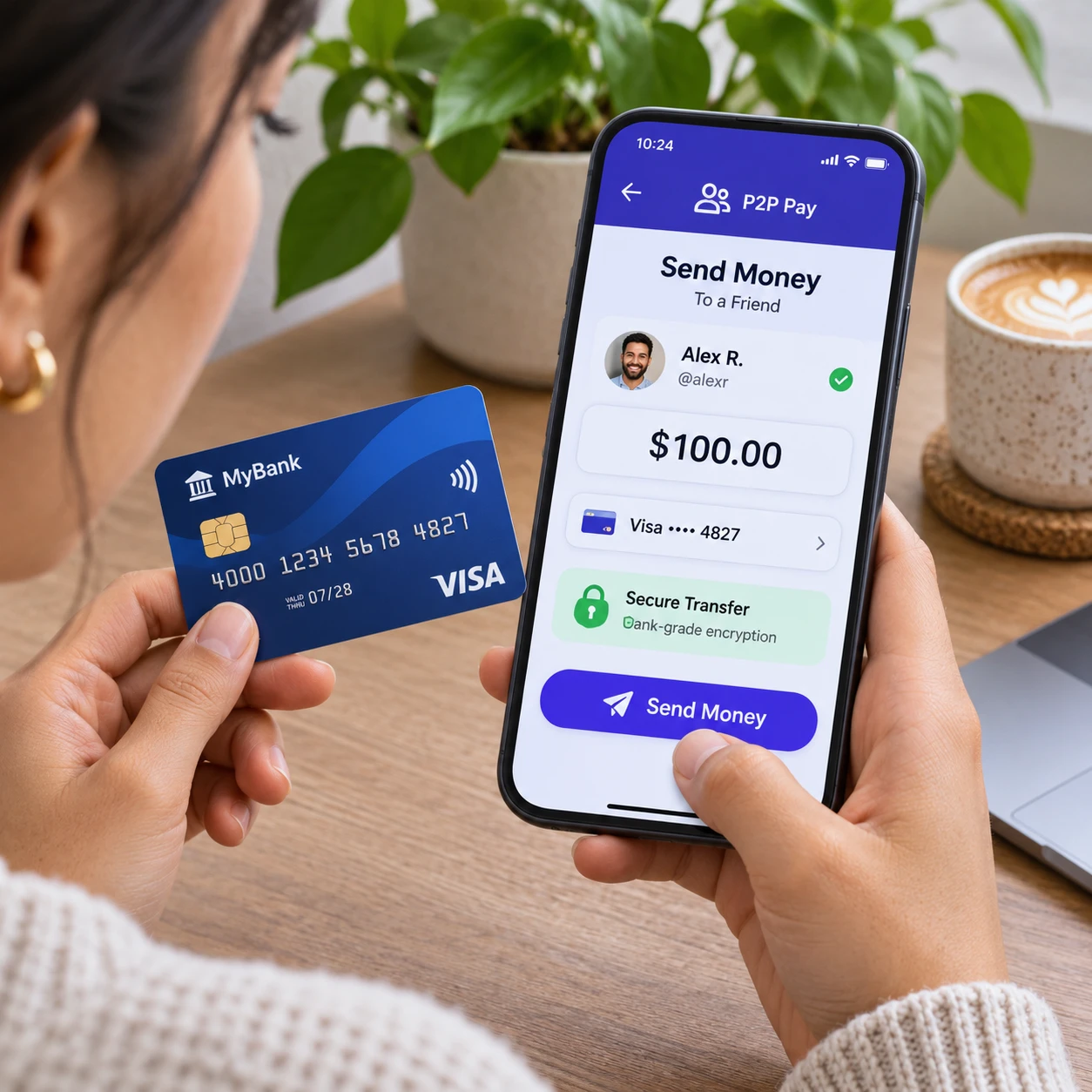
Peer-to-peer (P2P) payment systems let people send money electronically to friends, relatives, or other individuals. Services such as Venmo and Zelle make everyday payments convenient, but they work differently, and a payment sent to the wrong person may be difficult to recover. Knowing how each service handles funding, delivery, privacy, and disputes can help you choose carefully.
What Are P2P Payment Systems?
P2P payment systems let one person send money electronically to another through a payment app or participating bank. They simplify splitting bills and repaying people, but they do not all move money in the same way or offer the same protections.
Typically, you identify a recipient using details such as a phone number, email address, or username. The service processes the payment using a linked bank account, debit card, or available app balance. Depending on the provider, the recipient may receive money in an app balance or directly in an eligible bank account.
A P2P service is a payment method, not a replacement for a bank account. You may need a bank account or debit card to fund payments, withdraw a balance, or receive money. Eligibility, supported accounts, and features vary by service and sometimes by bank.
These tools are designed mainly for payments between people who know and trust one another. A transfer can feel as simple as sending a text, but the money may be hard to retrieve once it reaches the recipient.
How Venmo and Zelle Work
To use Venmo or Zelle, enroll with the service, connect an eligible payment method or bank account, verify the recipient, and review the amount before sending. The main difference is where the service is used and how the money is delivered.
Sending and receiving with Venmo
Venmo is a payment app. After creating an account, you can connect a bank account or debit card and use the app to send money to another Venmo user. Depending on the payment and account setup, funds may appear in the recipient’s Venmo balance. The recipient can keep an eligible balance in the app or transfer funds to a bank account, subject to Venmo’s current options and terms.
When receiving money, check the activity in your own Venmo account rather than relying only on a message or screenshot. A notification can be faked, and a visible payment should be confirmed in the app itself.
Sending and receiving with Zelle
Zelle is available through many participating U.S. banks and credit unions, and may also be offered through the Zelle app to eligible users. Users enroll an email address or U.S. mobile number and link it to an eligible bank account. A sender chooses an enrolled recipient and enters the amount; an enrolled recipient typically receives money in the linked bank account.
Both people generally need eligible accounts and enrollment for the service to work as expected. Check your bank’s instructions, eligibility, and transaction limits before sending. If the recipient is not enrolled, the payment may require additional steps or expire under the applicable terms.
For either service, confirm the recipient’s identity through a separate channel when anything seems unusual. A familiar name or profile photo alone is not proof that you selected the right person.
Venmo vs. Zelle: Key Differences
The main difference is that Venmo is an app-centered service, while Zelle is commonly integrated into participating banks’ payment systems. That affects where you initiate a transfer, how money reaches the recipient, and which terms or controls apply.
- Where you use it: Venmo payments are managed in the Venmo app. Zelle is often accessed through a bank or credit union’s app or website, though availability depends on the institution and eligibility.
- How money arrives: Venmo may place funds in the recipient’s Venmo balance. Zelle typically sends funds to the recipient’s enrolled bank account.
- Transfer speed: Zelle payments between enrolled users are often delivered quickly, but timing can vary. Venmo payments between users may appear in the app promptly; moving funds from an app balance to a bank can take longer or involve a fee for an eligible faster option.
- Social and privacy features: Venmo has social features and privacy settings for payment activity. Zelle’s bank-based experience does not generally center on a social feed.
- Availability and rules: Venmo and Zelle have different eligibility requirements, payment limits, and dispute processes. Your bank may set additional terms for Zelle.
Neither option is right for every situation. Venmo may suit people who want an app-based way to manage payments among friends. Zelle can be convenient when both parties use participating banks and want money sent to a bank account. For purchases from strangers or businesses, check whether the payment method offers suitable purchase protection; ordinary P2P transfers may not.
Fees, Transfer Times, and Limits to Check
Fees, transfer times, and transaction limits depend on the service, funding method, account, and sometimes the user’s bank. Check the current terms in the app or with your financial institution before relying on a particular cost or delivery estimate.
Some common factors to review include:
- Funding method: Payments funded from a linked bank account or debit card may have different terms from payments funded by a credit card. A card issuer may also apply its own fees or classify a transaction differently.
- Transfer speed: A P2P payment may reach the recipient quickly, while withdrawing an app balance to a bank can follow a separate timetable. Faster withdrawal options, when available, may cost extra.
- Transaction limits: Services and banks may limit how much you can send per payment, day, or week. Limits can depend on account status, enrollment, or other checks.
- Corrections and cancellations: A payment to an enrolled recipient may be processed quickly, leaving little time to cancel it. Do not treat a pending status as a guarantee that you can reverse the transfer.
Before confirming, look at the amount, funding source, any displayed fee, and expected delivery method. If you need a precise answer about a limit or fee, consult the provider’s current fee schedule or your bank’s support page; policies can change.
Safety, Privacy, and Payment Risks
P2P payments are safest when you send money only to a verified recipient and treat the transfer like cash. Privacy settings and account security reduce some risks, but they cannot guarantee that a mistaken or fraudulent payment will be reversed.
Common payment scams rely on urgency, impersonation, or a promise of a refund. Someone may pretend to be a friend, bank employee, or buyer and ask you to send money, share a verification code, or return an apparent overpayment. Contact the person or organization using a number or website you already trust, not details supplied in an unexpected message.
Before sending money:
- Confirm the recipient’s name and payment identifier. For a first payment, verify the phone number, email, or username directly with the person.
- Read the amount and destination again on the confirmation screen. A small test payment can help when appropriate, but confirm it arrived before sending a larger amount.
- Use a strong, unique password and enable multifactor authentication where available. Never share a one-time login or verification code.
- Review privacy settings. On Venmo, check the audience setting for payment activity and choose the level of visibility you want. Private activity can still be visible to the people involved and to the service as described in its policies.
If a transfer appears fraudulent, contact the payment provider or your bank promptly using an official app, website, or phone number. Explain whether you authorized the payment, preserve messages and transaction details, and follow the provider’s reporting instructions. The right response depends on how the payment was initiated and the applicable terms; do not assume that a completed P2P payment has the same protections as a card purchase.
Choosing and Using a P2P Service
Choose a P2P service based on the recipient’s access, the way you want money delivered, the cost, and the protections that apply. For every service, verify the person and review the final payment details before tapping send.
Use this quick decision process:
- Check compatibility. Find out whether the other person can receive money through Venmo or Zelle and whether their account is eligible.
- Match the service to the transaction. For routine repayments between people you know, a P2P app may be practical. For an unfamiliar seller, consider a payment method designed for purchases and review its dispute coverage.
- Compare delivery and cost. Confirm whether money goes to an app balance or bank account, how long withdrawal may take, and whether any fee applies.
- Confirm before sending. Verify the recipient through a trusted channel, then check the amount and funding source on the confirmation screen.
If you send money to the wrong person, contact that recipient through the service and ask for the money back. Also report the error to the provider or your bank as soon as possible. They may explain what options are available, but a voluntary return may be necessary if the transfer has completed.
For suspected fraud, contact the provider or bank immediately and follow its instructions. Use official contact details, change compromised passwords, and secure your email and bank accounts if you shared credentials or codes. Fast reporting helps the institution assess the situation, though it does not guarantee recovery.
Frequently Asked Questions
Venmo and Zelle both support electronic payments between people, but their delivery methods and terms differ. These answers address common questions about identity, cancellations, and payment protection.
Is Zelle the same as Venmo?
No. Venmo is an app-based payment service that may hold funds in an app balance, while Zelle is commonly offered through participating banks and sends money to an enrolled bank account. Their availability, limits, and terms differ.
Can a P2P payment be canceled or reversed?
Sometimes a payment can be canceled if it is pending and the recipient has not enrolled, but completed payments to enrolled users are often difficult to reverse. Check the transaction status and contact the provider promptly; never assume cancellation is possible.
Are P2P payments protected if something goes wrong?
Protection depends on the service, your bank, the transaction, and whether you authorized it. A mistaken payment or a payment to a scammer may not qualify for the same protections as an unauthorized account transaction or an eligible card purchase. Report problems quickly and ask the provider how its rules apply.
How can I avoid sending money to the wrong person?
Verify the recipient’s exact phone number, email, or username directly with them, especially before a first or large payment. Review the displayed name and amount, and do not rely on a profile photo, forwarded message, or screenshot as confirmation.