The Future of Contactless Payments: Trends, Technology, and What to Expect
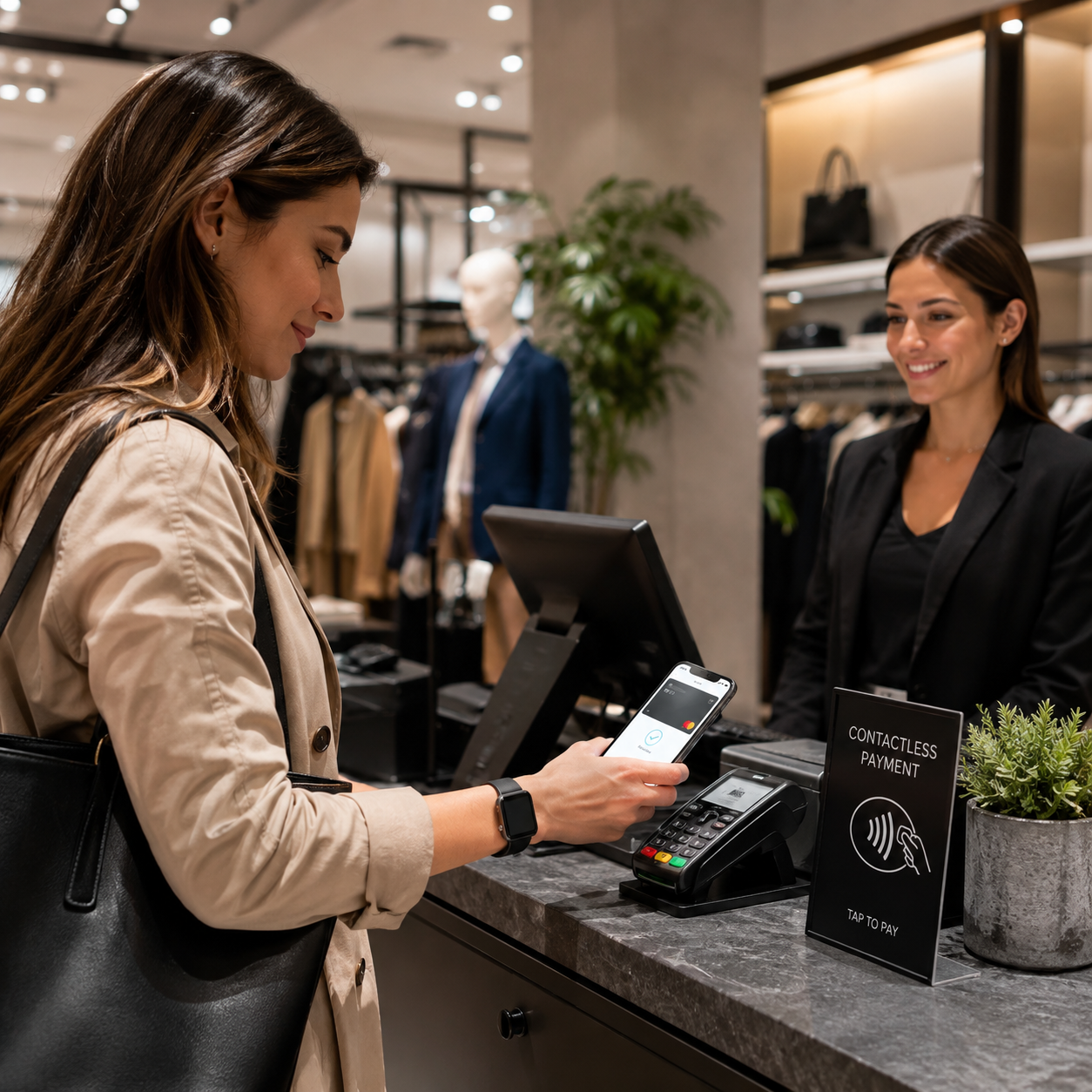
Contactless payments are moving from a convenient checkout option to a broader way of proving identity, authorizing transactions, and connecting physical and digital commerce. Contactless cards remain common, while mobile wallets, wearable payments, biometric authentication, and account-to-account payments are expanding the choices available to consumers.
The direction of travel is clear, but the outcome is not fixed. Banks, payment providers, merchants, regulators, and device makers must balance speed with privacy, fraud prevention, accessibility, and resilience. The most useful question is therefore not whether contactless payments will replace every other method, but where they will genuinely improve everyday financial interactions.
How Contactless Payments Work Today
Contactless payments use short-range communication, usually near-field communication (NFC), to transfer transaction information between a card or device and a compatible payment terminal. The bank or payment provider then authorizes the payment through the relevant card network or account-based system.
A contactless card contains an NFC chip and antenna. When the card is held near a reader, the terminal and chip exchange encrypted transaction data. The customer may occasionally need to enter a PIN, particularly after several contactless transactions, when a payment exceeds a local limit, or when the issuer requests an additional security check.
Mobile wallets such as Apple Pay, Google Pay, and similar services place payment credentials inside a smartphone or smartwatch. Instead of exposing the underlying card number to every merchant, the wallet commonly uses tokenization. A token, device credential, or network-specific substitute represents the payment card during the transaction.
This arrangement separates several responsibilities:
- The device or wallet authenticates the user with a passcode, fingerprint, or face scan.
- The terminal captures the NFC payment.
- The payment network routes the authorization request.
- The issuing bank or payment provider checks available funds, fraud signals, and transaction rules.
Contactless payments do not necessarily require a live internet connection at the moment of purchase. A card terminal and mobile wallet can often use stored or pre-authorized transaction credentials, although limits and availability depend on the device, wallet, issuer, merchant system, and local rules.
The Technologies Shaping the Future
The future of contactless payments will combine NFC with wearables, stronger biometric authentication, digital identity, QR codes, and account-to-account payment rails. These technologies will extend contactless payments beyond cards and conventional retail terminals.
Wearables and biometric authentication
Wearable payments already allow customers to pay with smartwatches, fitness trackers, rings, and other connected devices. Future wearables may use motion patterns, skin contact, heart-rate signals, or a nearby phone to support continuous device authentication. That could reduce the need to unlock a phone at a familiar checkout.
Biometric authentication will remain useful, but it will not remove every risk. A fingerprint or face scan can confirm that someone has access to a device, yet it cannot determine whether that person is being manipulated by a scammer. Strong payment design will combine biometrics with transaction monitoring, device security, and customer education.
Digital identity, QR codes, and account-to-account payments
Digital identity could connect payment authorization with verified personal credentials, age checks, travel passes, loyalty programs, or access permissions. For example, a customer might prove eligibility for a service and pay within one controlled interaction. Privacy-preserving systems will be essential because a payment should not automatically disclose every detail of a person’s identity.
QR codes will continue to complement NFC, particularly in markets where merchants use smartphones or low-cost displays instead of dedicated terminals. QR payments can be useful for remote or invoice-based purchases, although customers must check the recipient carefully before confirming a transfer.
Account-to-account payments may create another major shift. Rather than routing a transaction through a traditional card sequence, a payment can move directly between bank accounts through an instant-payment system or open banking connection. This may lower processing costs in some situations, but it also raises questions about refunds, buyer protection, dispute handling, and fraud liability. Faster settlement does not automatically mean better consumer protection.
A Faster and More Integrated Payment Experience
Contactless payments will become more integrated when the payment action blends into transport, retail, online-to-offline journeys, and connected devices. Customers may authorize a purchase once and move through several related services without repeatedly presenting a card.
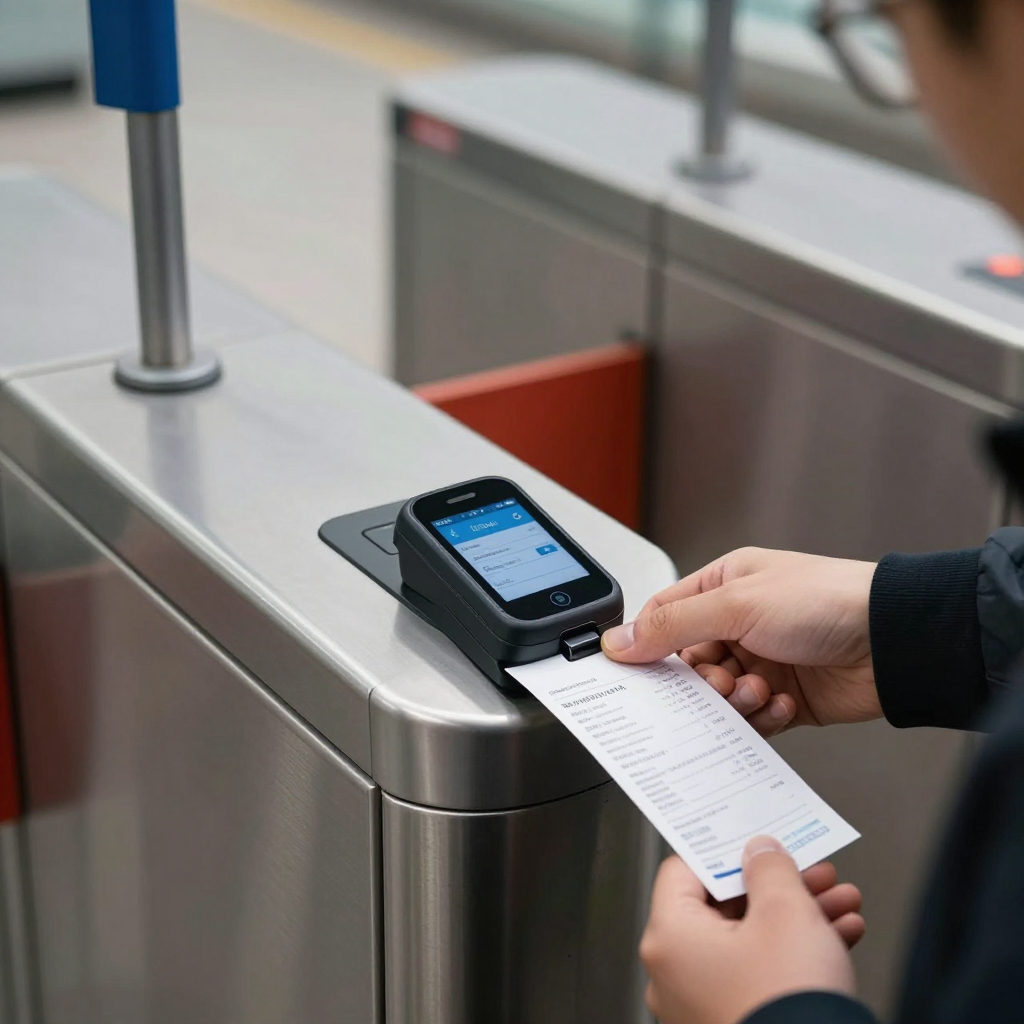
Transport is a strong example. A passenger can tap a card, phone, or wearable at a gate, while the system calculates the correct fare across a journey. Similar models may appear in parking, stadiums, vending, events, and workplace access. The convenience comes from linking entry, usage, and payment in one system.
Retailers are also likely to connect physical shelves, mobile apps, loyalty accounts, and checkout services. A shopper could scan an item in a store, receive product information on a phone, collect a digital receipt, and pay through a mobile wallet. Connected devices may support automatic replenishment or service payments, but customers should be able to review and control recurring charges.
These experiences depend on more than a payment terminal. Merchants need reliable point-of-sale software, payment providers need secure processing infrastructure, and banks need accurate risk controls. If any link fails, a fast payment experience can become confusing. Clear receipts, visible confirmation screens, and accessible fallback methods will matter as much as speed.
Security, Privacy, and Fraud Risks
Contactless payments can be secure because they use transaction encryption, tokenization, device authentication, and issuer fraud monitoring, but they are not risk-free. The main threats include lost devices, account takeover, social engineering, privacy leakage, and weaknesses in merchant or banking systems.
Tokenization reduces the value of intercepted payment data because a token may be limited to a particular device, merchant, or transaction context. A stolen token is generally less useful than a reusable card number. Still, tokenization does not protect a customer who willingly approves a fraudulent transaction after receiving a convincing message or phone call.
Device security is therefore central. Use a strong passcode, install operating-system updates, enable biometric authentication where appropriate, and avoid sharing unlock credentials. If a phone, smartwatch, or payment card is lost, contact the issuer or wallet provider promptly. Remote locking or removal of wallet credentials can limit exposure, but the exact process differs by provider.
Privacy creates a separate trade-off. Contactless systems can generate records about purchases, locations, travel patterns, and device usage. Banks and payment providers need transaction data to detect fraud and operate accounts, yet customers should receive understandable information about data collection, retention, and sharing. Privacy-enhancing design should minimize unnecessary data and separate payment authorization from unrelated profiling where possible.
Common mistakes include:
- Approving an unexpected payment request: scammers often exploit urgency rather than technical weaknesses. Verify the recipient through an independent channel.
- Leaving a device without a screen lock: anyone who gains physical access may have more opportunity to use stored credentials or personal data.
- Ignoring small unfamiliar transactions: fraudsters may test an account with low-value payments before attempting larger purchases. Report suspicious activity promptly.
Consumers can consult guidance from the U.S. Consumer Financial Protection Bureau for practical information about payment scams and unauthorized transactions.
What the Future Means for Banks and Businesses
For banks and businesses, the future of contactless payments means investing in secure infrastructure, flexible acceptance, better fraud controls, and customer experiences that work across channels. Payment convenience will increasingly influence how people judge a bank, retailer, or service provider.
Banks will need to manage a wider collection of credentials: physical cards, mobile wallets, wearables, account-to-account payments, and digital identity services. Their role will include token provisioning, authentication, transaction monitoring, dispute management, and customer support when a device or payment method fails.
Merchants must consider acceptance costs as well as customer expectations. A contactless card transaction, wallet payment, QR transfer, and direct account payment may involve different fees, settlement times, refund processes, and fraud responsibilities. The cheapest method is not always the best choice if it creates poor buyer protection or difficult reconciliation.
Businesses should evaluate payment options using four questions:
- Can customers pay with the cards, wallets, and devices they already use?
- Can staff issue refunds and resolve disputes without excessive manual work?
- Does the system provide useful fraud signals without rejecting legitimate customers?
- What happens when the network, terminal, wallet, or customer device is unavailable?
Payment providers that answer these questions well will be better positioned than those that treat contactless payments as a simple hardware upgrade.
Challenges to Wider Adoption
Wider adoption will depend on accessibility, interoperability, privacy, reliable connectivity, and consumer trust. Contactless payments work best when they add a choice rather than remove existing choices.
Digital exclusion remains a real concern. Not every customer owns a compatible smartphone, has a bank account, uses biometric features, or can maintain a reliable data connection. Some people also have disabilities or health concerns that make particular authentication methods difficult. Physical cards, cash, staffed service points, and accessible payment interfaces may remain necessary.
Interoperability is another challenge. A wearable may work with one wallet but not another; a QR system may not connect to a different bank; and an account-to-account transfer may lack the chargeback protections associated with cards. Customers should not have to understand complex technical distinctions before making a routine purchase.
Privacy concerns may slow adoption even when the technology functions well. People may reject an apparently convenient system if it links payment, identity, location, and behavioral data without meaningful control. Trust is built through transparent terms, visible security choices, responsive support, and predictable remedies when something goes wrong.
How Consumers Can Prepare
Consumers can prepare for the future of contactless payments by securing devices, comparing payment protections, monitoring accounts, and keeping a practical backup method. The right payment choice depends on the purchase, the provider, and the consequences of an error.
- Secure every payment device: use a unique passcode, biometric authentication, automatic updates, and remote-lock features.
- Check wallet and bank alerts: real-time notifications make unfamiliar payments easier to identify before losses grow.
- Understand the funding source: confirm whether a wallet payment uses a credit card, debit card, prepaid balance, or direct bank transfer.
- Compare protections: review refund, chargeback, unauthorized-payment, and dispute rules before choosing account-to-account payments for expensive purchases.
- Keep a backup: carry a physical card or another approved payment method when traveling, using transport, or visiting places with unreliable connectivity.
- Protect personal information: never share one-time passcodes or approve a payment solely because someone claims to represent your bank.
The future will probably offer more ways to tap, scan, authenticate, and pay. That does not make every method equally suitable. A sensible approach is to choose the option that combines convenience with clear control, appropriate protection, and a workable fallback.
Frequently Asked Questions
Are contactless payments secure?
Contactless payments use security measures such as NFC, tokenization, encryption, device authentication, and bank fraud monitoring. They remain vulnerable to lost devices, account takeover, merchant compromise, and scams that persuade customers to authorize fraudulent transactions.
Will contactless payments replace cash and physical cards?
They may become the preferred option for many purchases, but cash and physical cards are likely to remain important for accessibility, privacy, emergencies, and customers who do not use compatible devices or bank services.
How will biometric authentication affect contactless payments?
Biometric authentication can make mobile wallets and wearable payments faster by confirming the authorized device user. It should supplement transaction monitoring and secure account recovery rather than act as a complete fraud solution.
What happens if a phone or wearable used for payments is lost?
Contact the bank or wallet provider, use the device maker’s remote-lock or account-management tools, and review recent transactions. A lost device does not always expose the underlying card number, but prompt action reduces the risk of unauthorized use.
Will contactless payments work without an internet connection?
Often, yes, because cards and wallets may use stored credentials or pre-authorized transaction data. Offline capability varies by device, wallet, issuer, terminal, transaction value, and local rules, so a backup payment method remains sensible.