How to Choose the Best Digital Wallet for Your Needs
What Is a Digital Wallet and Why Use One?
A digital wallet is an electronic tool that securely stores your payment information and allows you to make transactions online or in-store without physical cash or cards. Using a digital wallet simplifies payments, improves convenience, and often enhances security compared to traditional methods.
These wallets can store credit/debit card details, bank account information, loyalty cards, and even cryptocurrencies. Due to features like NFC payments and quick checkouts, digital wallets have become essential in fintech and everyday commerce. They reduce the need to carry multiple cards, enable faster payments, and often provide tracking and budgeting tools within their user interfaces.
Different Types of Digital Wallets Explained
There are several types of digital wallets, each suited for different use cases and security preferences.
- Mobile Payment Apps: These smartphone apps like Apple Pay, Google Pay, or Samsung Pay use NFC technology to enable tap-to-pay at point-of-sale (POS) terminals. They focus on convenience and wide merchant acceptance.
- Desktop Wallets: Software installed on your computer that stores payment information and can also manage cryptocurrencies. These wallets offer more control but may lack the mobility of mobile apps.
- Hardware Wallets: Physical devices primarily designed for storing cryptocurrency keys offline. They offer superior security against online threats but are less practical for everyday retail transactions.
- Cryptocurrency Wallets: Specialized wallets (software or hardware) for securing and managing cryptocurrencies. They often include features like multi-currency support and private key encryption.
Understanding the type of wallet that fits your needs depends on your spending habits, security preferences, and whether you prioritize everyday convenience or advanced features like multi-currency crypto support.
Key Features to Consider When Choosing a Digital Wallet
The best digital wallet balances robust features such as security, user interface design, fees, and currency support.
- Security Features: Look for wallets offering strong encryption, two-factor authentication (2FA), biometric login, and regular security updates.
- User Interface and Usability: An intuitive interface ensures smooth navigation and quick access to payment methods, transaction history, and settings.
- Transaction Fees: Evaluate fees for transactions, currency conversions, top-ups, and withdrawals, as some wallets charge for specific actions.
- Multi-Currency Support: For users dealing internationally or with cryptocurrencies, support for multiple currencies can simplify management and reduce conversion fees.
- Additional Features: Loyalty card integration, budgeting tools, and P2P transfers can add value depending on your routine.
Choosing a wallet with the right combination of these features helps ensure it fits your lifestyle and financial habits.
How to Evaluate Compatibility and Integration
Compatibility is crucial to ensure your digital wallet works seamlessly with your preferred devices, banks, and payment platforms.
- Device Support: Confirm the wallet supports your smartphone’s operating system (iOS, Android), or desktop platform, and offers browser extensions if needed.
- Bank and Card Linking: Check if your bank and card providers integrate easily with the wallet for smooth top-ups and payments.
- POS Acceptance: For in-store payments, ensure your wallet supports NFC or QR code payments accepted by merchants you frequent.
- Platform Ecosystem: Some wallets are tightly integrated into ecosystems (like Apple Wallet with Apple devices). Consider whether you want this convenience or prefer platform-agnostic options.
Pay close attention to these compatibility factors to avoid frustrations like unavailable payment methods or device incompatibility.
Understanding Security and Privacy Protections
Digital wallet security hinges on protecting your sensitive financial data through multiple layers of defense.
- Encryption: Strong end-to-end encryption secures data transmission and storage within the wallet.
- Two-Factor Authentication (2FA): Adds an extra verification layer to logins or transactions, reducing fraud risk.
- Biometric Authentication: Fingerprint or facial recognition provide quick, secure access without passwords.
- Backup and Recovery Options: Ability to securely back up wallet data or keys safeguards against device loss or failure.
- Privacy Policies: Transparent policies on user data collection and sharing can protect your privacy and build trust.
Not all wallets implement the same security standards, so prioritize those with a proven track record and ongoing updates to counter new threats.
Comparing Fees and Limits
Fees and transaction limits vary widely among digital wallets and affect overall cost-effectiveness.
- Transaction Fees: Some wallets charge flat fees or percentage-based fees per transaction, especially for currency exchanges or cryptocurrency trades.
- Top-Up Fees: Costs for adding funds from banks or cards may apply, impacting users topping up frequently.
- Withdrawal Limits: Wallets often impose daily or monthly withdrawal limits which may be restrictive for high-volume users.
- Hidden Charges: Watch out for fees on inactivity, account maintenance, or cross-border payments.
Evaluating these fees against your expected usage helps prevent unpleasant surprises and identifies the most cost-efficient option.
Practical Tips for Selecting the Right Digital Wallet for You
To choose the best digital wallet, align its features with your spending patterns, security preferences, and platform usage:
- Analyze Your Payment Habits: Do you prioritize in-store NFC payments, online shopping, or cryptocurrency transactions? Select wallets strong in those areas.
- Prioritize Security Based on Risk: If handling sensitive or crypto assets, opt for wallets with advanced encryption and hardware backup options.
- Test Usability: User-friendly design accelerates everyday use, so try demos or free versions before committing.
- Consider Multi-Currency Needs: Frequent international transactions demand wallets supporting multiple fiat and crypto currencies.
- Check Customer Support: Reliable support can be crucial when troubleshooting transaction issues or security concerns.
- Review Compatibility: Ensure your devices, banks, and merchant networks fully support the wallet's functionalities.
Finally, stay updated on wallet provider security patches and user reviews for ongoing reliability.
Frequently Asked Questions
What Are the Safest Digital Wallets Available?
The safest digital wallets offer multi-layered security including encryption, two-factor authentication, biometric verification, and secure backup options. Hardware wallets ranked highest for cryptocurrency security, while reputable mobile wallets backed by major tech firms provide strong protections for everyday payments.
Can I Use Multiple Digital Wallets at the Same Time?
Yes, you can use multiple digital wallets simultaneously to benefit from different features or merchant acceptances. However, managing multiple wallets requires careful tracking and increases complexity, so balance convenience with your ability to monitor them effectively.
Are Digital Wallets Widely Accepted for Online and In-Store Payments?
Digital wallets are broadly accepted online and increasingly at physical stores that support NFC or QR code payment systems. Still, acceptance varies by region and merchant, so confirm common vendors support your chosen wallet before relying exclusively on it.
What Should I Do If My Digital Wallet Is Hacked or Lost?
If compromised, immediately change passwords, revoke access tokens, and contact your wallet provider’s support. For hardware wallets, use your backup seed phrase to restore funds securely. Reporting suspicious activity early can minimize financial loss and protect your accounts.
How Do Digital Wallets Compare to Traditional Bank Cards?
Digital wallets offer faster, often contactless payments with additional security layers like biometrics and encryption, reducing fraud risks. They also integrate with loyalty programs and offer spending tracking. Traditional cards remain widely accepted but lack some convenience and advanced security features.
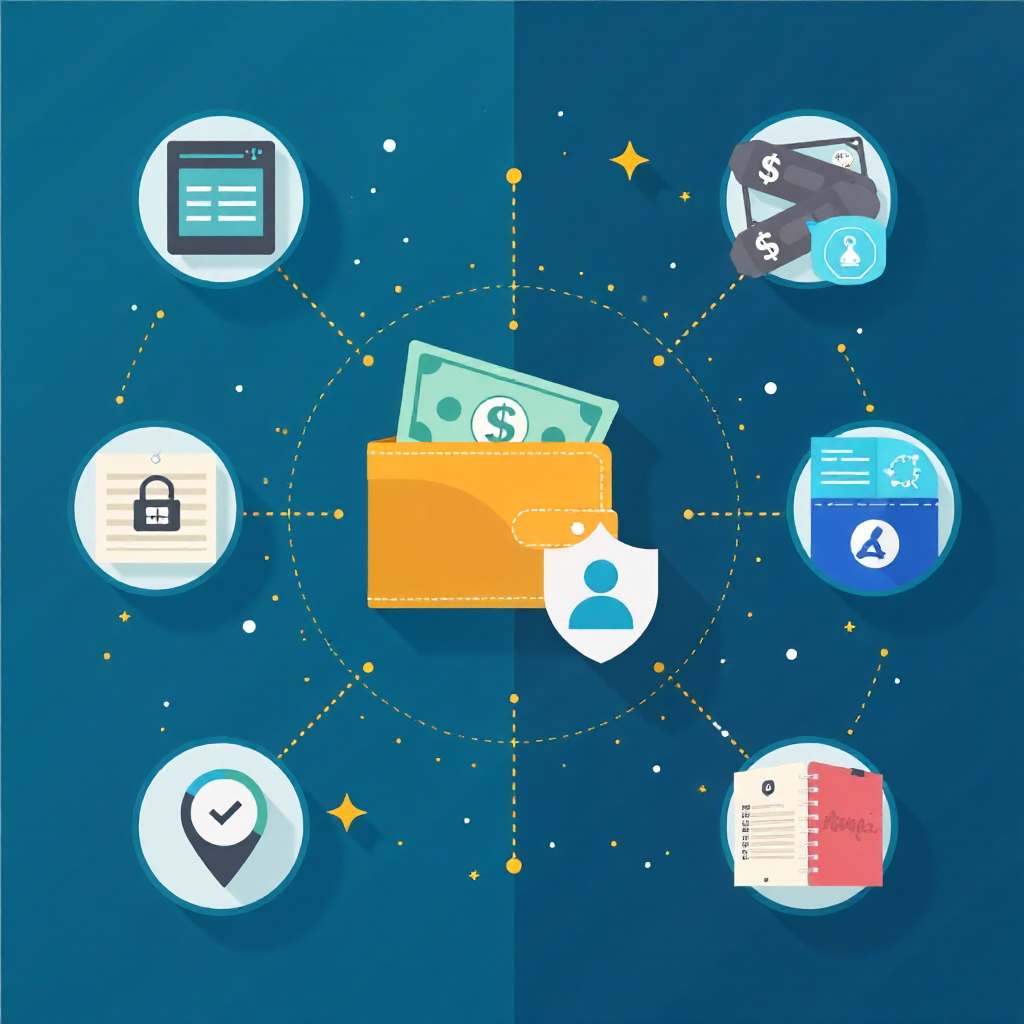
Choosing the best digital wallet requires balancing convenience, security, features, and cost according to your unique needs. By carefully evaluating compatibility, fees, and protective measures, you can adopt a digital wallet that enhances your payment experience securely and efficiently.
For more detailed guidelines on digital payment security, consult resources like Wikipedia's Digital Wallet Overview.